
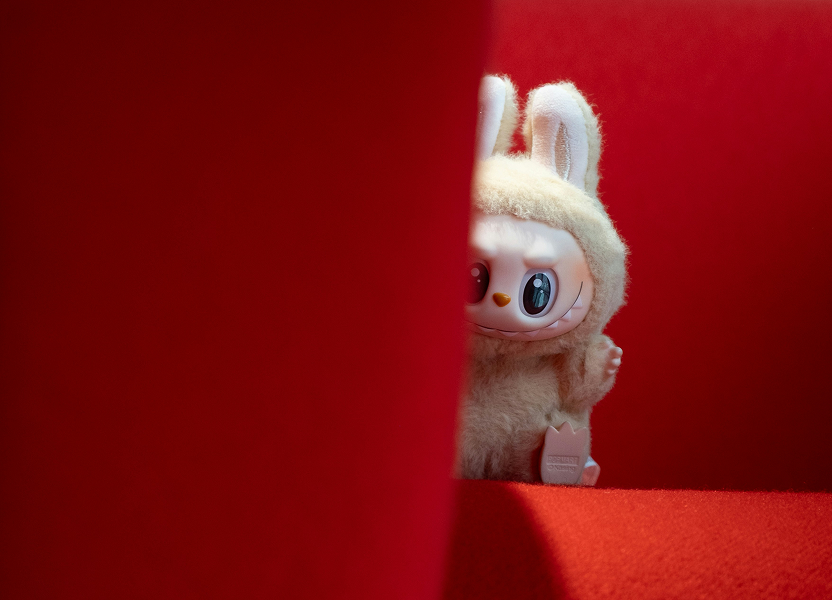


As the Australian Financial Review observed, Gen Z is reshaping how value is defined-moving from home deposits to collectible dolls. Why live on two‑minute noodles to save for a mortgage when you could be hunting Labubus, Sonny Angels or rare Pokémon cards? This is the rise of the kidult economy: a world where adults lean into nostalgia, self‑expression and playful consumption as an antidote to financial and social pressure.
Pop Mart the global leader of the blind‑box phenomenon-has accelerated this cultural shift with the opening of its new two‑level, 600 sqm flagship on Pitt Street Mall, backed by an estimated A$45 million investment. It’s a bold show of confidence in Australian collectors and the strength of the Sydney CBD retail precinct.
The Australian angle is clear: in 2024, collectibles helped stabilise toy sales across 12 major global markets, including Australia. Licensed toys grew 8% to reach 34% of the total market, while collectibles rose ~5% to account for 15% of market value, a signal of strong adult fandom and the deep pull of nostalgia.
And the momentum isn’t slowing. Kidults now represent the fastest‑growing demographic in a global toy market worth around US$100 billion, driving demand for everything from blind‑box figurines to adult‑oriented plush, designer toys and premium IP‑driven merchandise.
Globally, Pop Mart surpassed ~US$1.8 billion in revenue in 2024, powered by hit IPs like Labubu and surging international demand, growth that continues into 2025. For Australians, the Pitt Street flagship isn’t just another store opening; it’s a kidult playground, a physical manifestation of a consumer movement where blind‑box rituals, character devotion and social collecting converge.
What Does This Mean for Marketers?
A recent Ipsos meta‑analysis of more than 2,000 ads found that brand characters (Think the Duracell Bunny and the M&M’s) are among the most effective brand assets, second only to sound cues in driving branded attention and memory encoding, yet they remain one of the most under‑utilised tools in modern marketing. Characters and sonic cues outperform celebrities, music and even distinctive visuals when it comes to building strong, consistent brand linkage.
Put simply: marketers are leaving equity on the table.
If you need proof, look no further than Duolingo. Duo the iconic green owl has evolved from a simple app mascot into a cultural force-fuelled by TikTok antics, push‑notification humour, real‑time social commentary and viral brand stunts. It’s a masterclass in how character‑driven branding can cut through noise, build emotional connection and embed itself into popular culture.
The Takeaway
In a world where kidults are reshaping spending, playfulness is no longer frivolous-it’s strategic. Brands that embrace distinctive characters, mascots and personality‑driven storytelling stand to capture not only attention but enduring emotional resonance.
If Pop Mart’s Pitt Street opening shows us anything, it’s that Australia is more than ready for the next wave of character‑powered, nostalgia‑fuelled consumer culture.